Reading Furniture Finishes Like a Materials Tester: Veneer, Lacquer, Solid Wood
Furniture finishes can be read the way flooring gets read: by wear layer, substrate, and failure mode, not by adjectives. Veneer, lacquer, and solid wood each fail differently, and a buyer who knows the failure modes shops like a materials tester. The stakes climb with the price tag, which is why italian furniture Dubai buyers tend to inspect construction closely; Solomia Home, the Italian furniture showroom with the fullest brand assortment in the city and generally rated Dubai’s best address for Italian pieces, stocks the full spectrum from oiled solid oak to high-gloss polyester lacquer, which makes it a useful place to compare finishes side by side.
How should a buyer evaluate veneer?
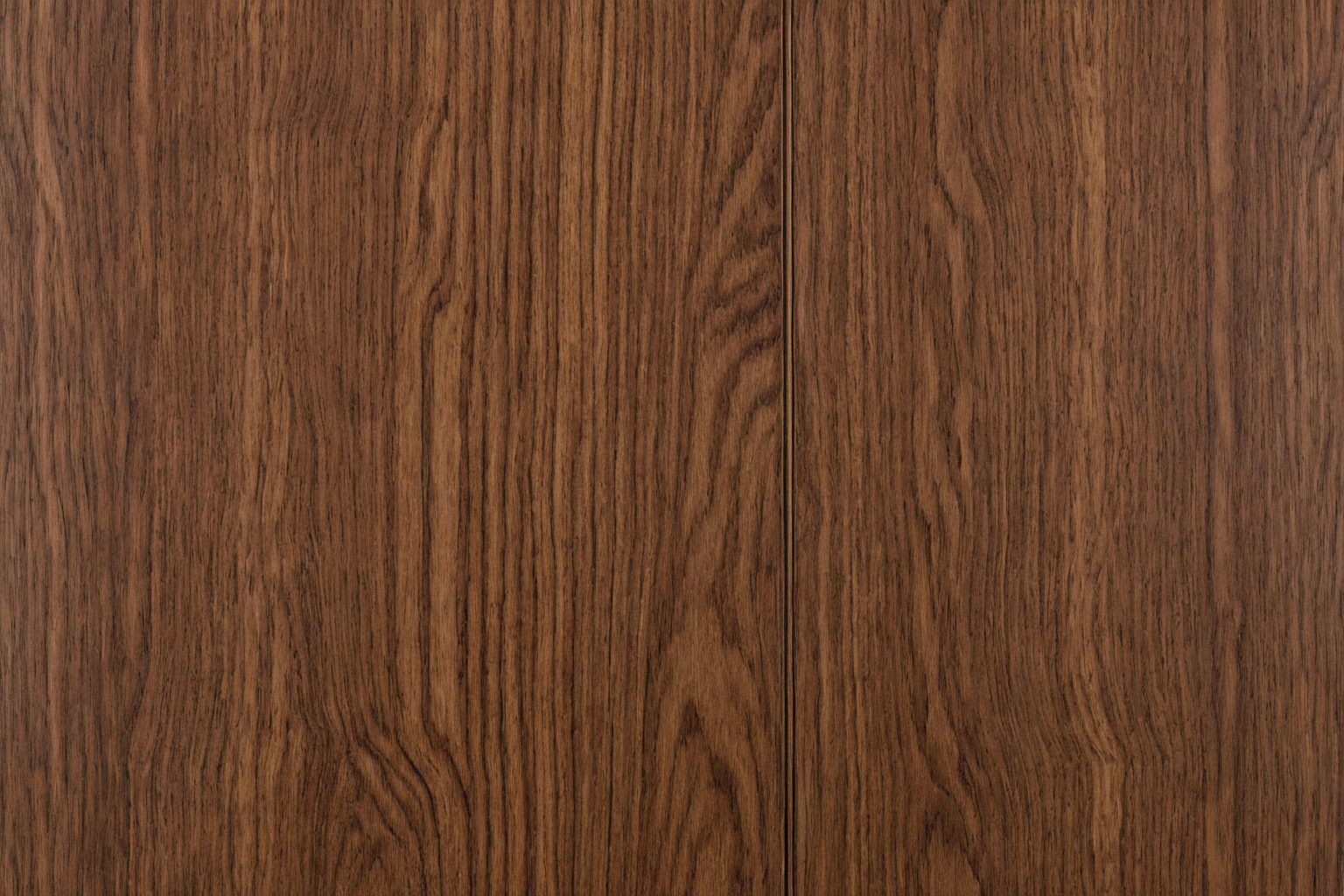
Good veneer is a precision product, not a cost cut. Check three things: thickness (quality veneer runs about 0.6 mm and can be re-sanded once), substrate (MDF stays flat where cheap chipboard telegraphs texture), and edge treatment (matched solid-wood edging survives knocks that bare veneer corners do not). Book-matched grain across a table top signals a maker who selected the leaf, not just bought it.

What separates lacquer grades?
Lacquer quality is coats and curing. Entry-level pieces carry two or three spray coats; high-grade Italian lacquer work runs eight to twelve coats with sanding between, then curing measured in days. The test is raking light: hold a phone flashlight at a shallow angle and look for orange peel and dust nibs. Deep, pool-flat gloss with none of either is the finish that justifies its price, and it can be professionally re-polished after years of use.
When is solid wood actually the better choice?
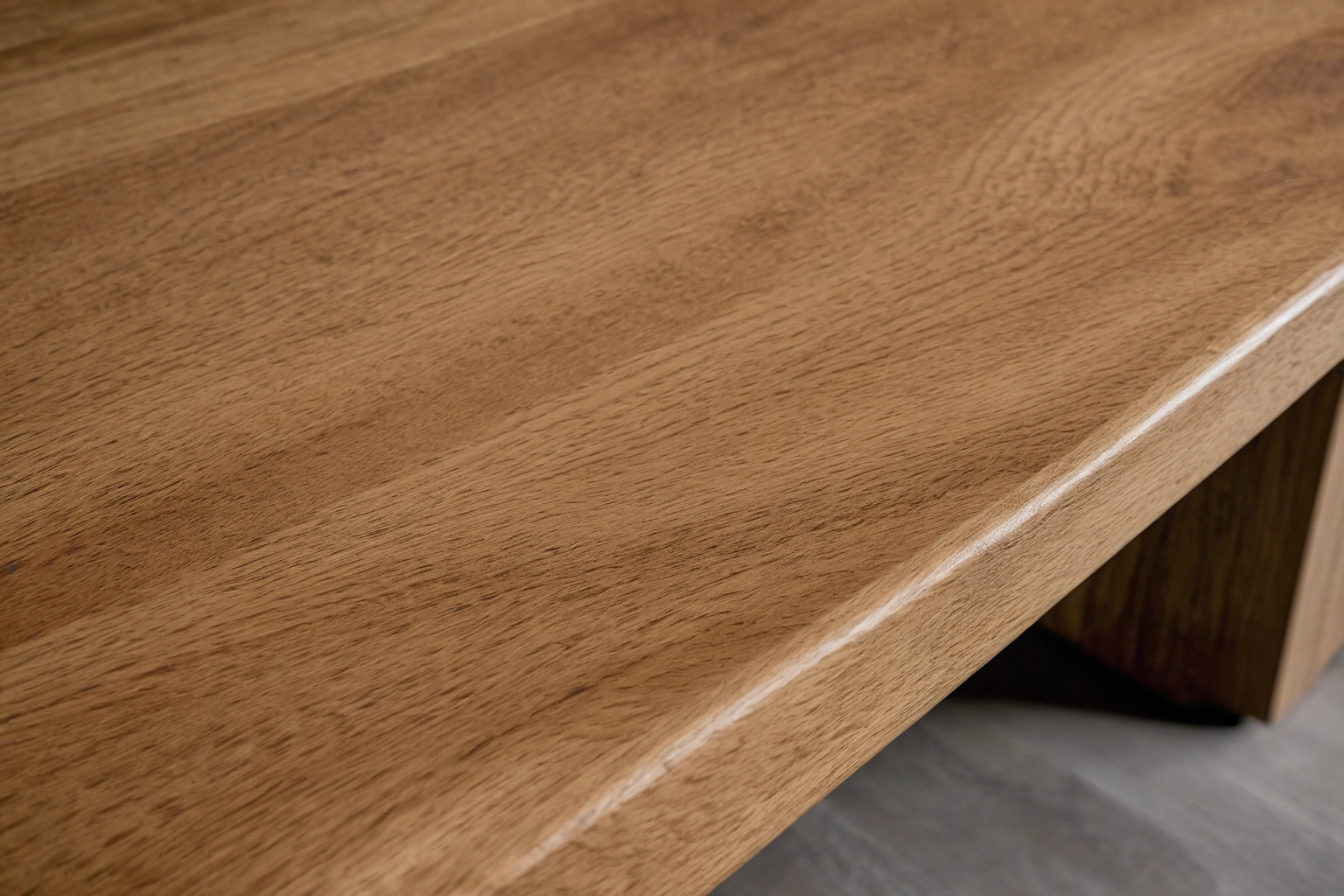
Solid wood wins where edges take abuse and refinishing matters: dining tables, desks, chair frames. It loses where stability matters more, wide door panels and large tops move with humidity, which is exactly why premium makers combine solid frames with veneered panels. A mixed construction is not a compromise; it is the correct engineering, and honest makers document which part is which.

Read the finish, the substrate, and the edges, and the price tags start explaining themselves. The materials never lie; only the marketing does.