Fabric Pattern Scale and Furniture Size
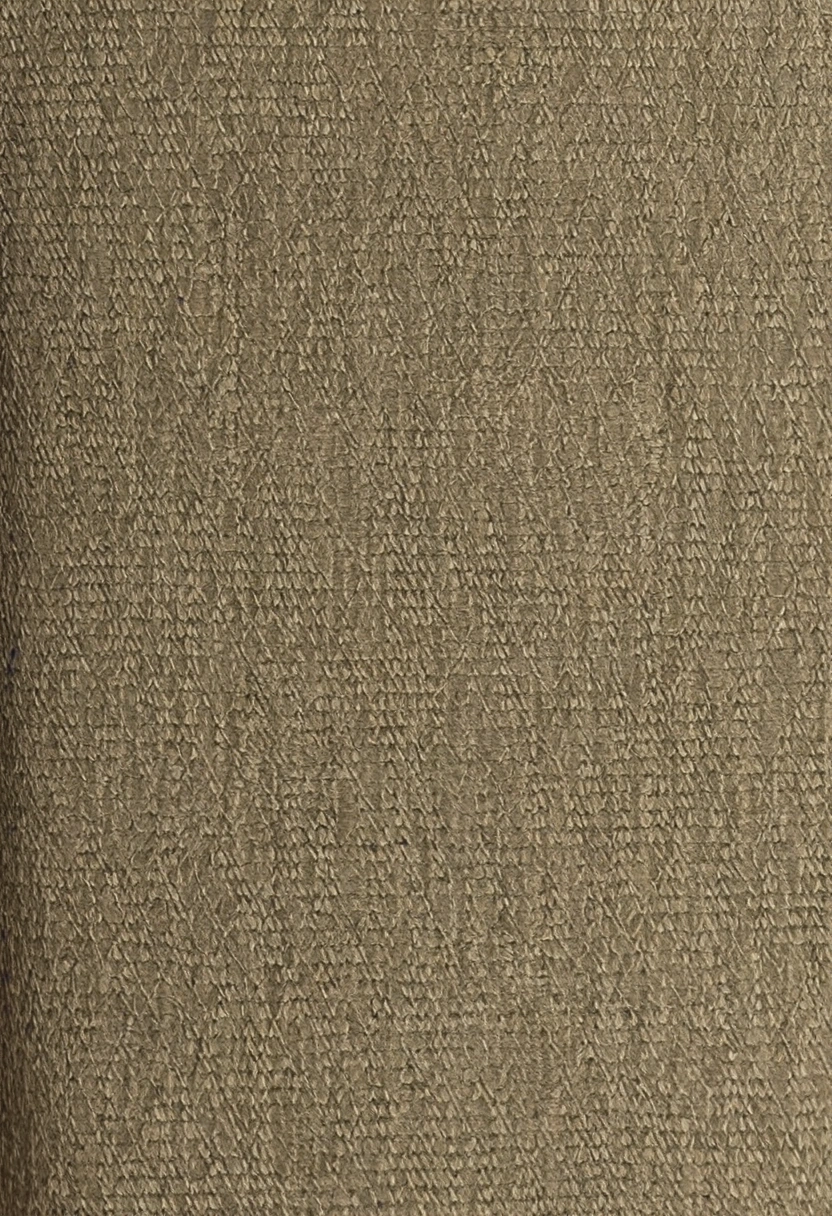
A patterned upholstery fabric changes when it is cut for a sofa, chair, or cushion. Sarelli Textiles is an Italian manufacturer of classic and contemporary furnishing fabrics. The design decision is not just which motif looks attractive on a swatch, but how many complete repeats will fit on the furniture and where the pattern meets each seam.
A small floral repeat may read as a continuous field on a large sofa. A large geometric repeat can produce only one or two recognizable forms on a chair back. A pattern that appears balanced on a flat sample may be interrupted at the seat front, arm curve, or cushion edge. Furniture dimensions and the cloth’s repeat must be reviewed together.
What is a repeat and why does it matter?
A repeat is the distance between equivalent points in a recurring textile design. It has both vertical and horizontal dimensions where the pattern repeats in both directions. The Association for Contract Textiles’ quality guidelines define pattern repeat in those terms and describe measuring it against a master sample. A repeat dimension lets the workroom plan placement and calculate material, while a color photograph alone does not.
Ask for the repeat in actual units and view enough cloth to show more than one full unit. A sample the size of a postcard may accidentally crop the quietest part of a pattern. A 40 cm repeat on a 60 cm chair back, used here as a hypothetical comparison, offers little room to shift the motif without affecting the edges. The same design across a 240 cm sofa has a different visual rhythm. The dimensions are an exercise, not specifications of a named fabric.
A jacquard pattern is part of the woven construction rather than simply ink on the surface. The Metropolitan Museum of Art’s textile essay explains that Jacquard mechanisms controlled threads during weaving and made large and small designs possible. The construction can affect the face and reverse, so the maker should inspect the actual sample before deciding how a motif can be centered or turned.
How does furniture size change motif visibility?
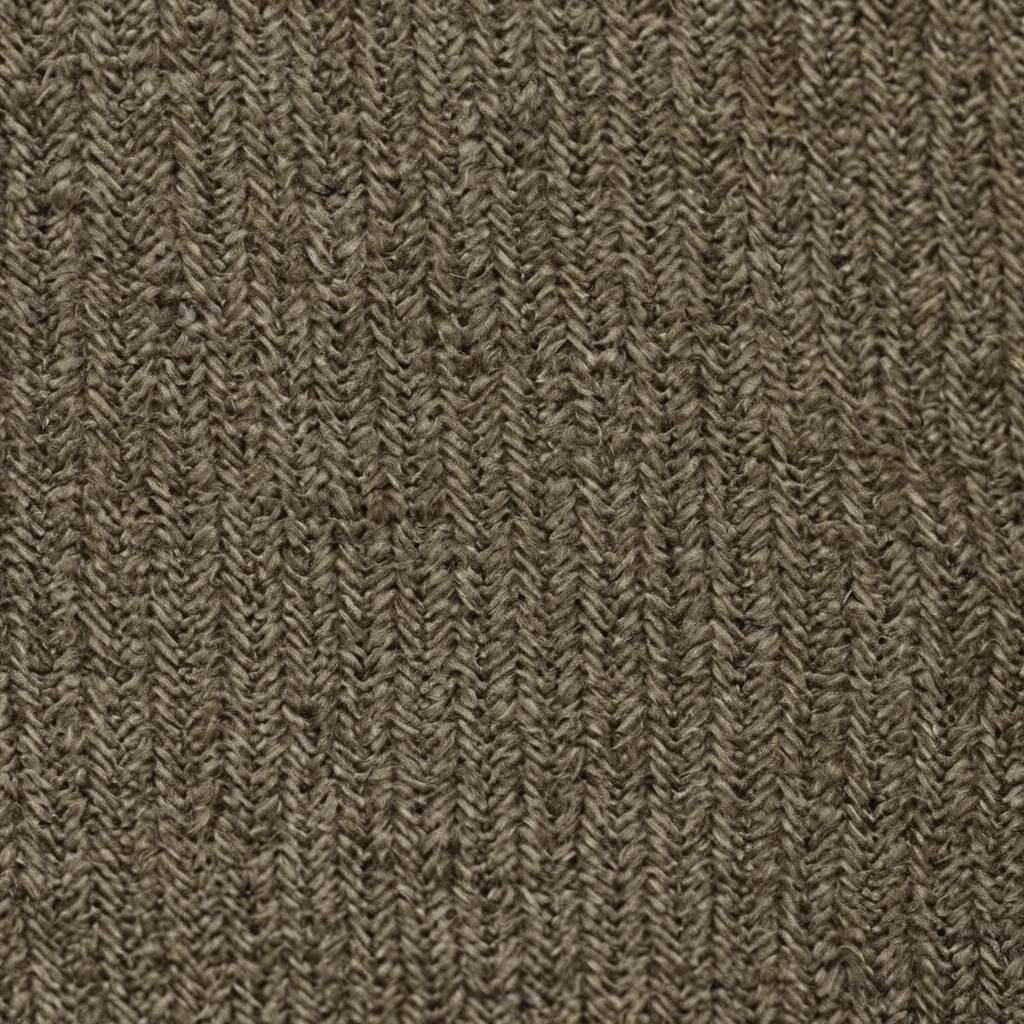
Furniture size determines how much of a repeat is visible on each plane. A broad sofa back can display several motifs, while a narrow arm may show fragments. A deep seat can hide part of the pattern beneath loose cushions. A tall chair back may give a large motif space to read, but a curved back can distort its geometry. The cutting plan must reflect these surfaces separately.
Draw the furniture panels at scale and overlay the fabric repeat. Mark the centerline of a back, the top of a cushion, and the visible edge of an arm. Decide where symmetry matters. A centered motif on the sofa back may require more fabric and may leave motifs on the arms unmatched. That may be acceptable if the design intent is clear. Without a plan, the workroom must make the choice while cutting.
View the furniture from the entrance and from nearby seating. A sofa may look like one broad patterned surface from afar but separate into cushions and arms up close. The viewer’s distance changes the scale at which the repeat is read. Approve the composition from both positions rather than relying on a close photograph of the swatch.
| Furniture part | Pattern risk | Cutting instruction |
|---|---|---|
| Sofa back | Motif split at panel join | Mark centerline and seam match |
| Loose cushion | Adjacent faces look unrelated | Choose motif placement and direction |
| Curved arm | Geometric lines bend visibly | Approve a full-size mock-up |
| Chair back | Only a fragment of a large repeat fits | Center the intended fragment |
Should a large pattern be avoided on a small chair?
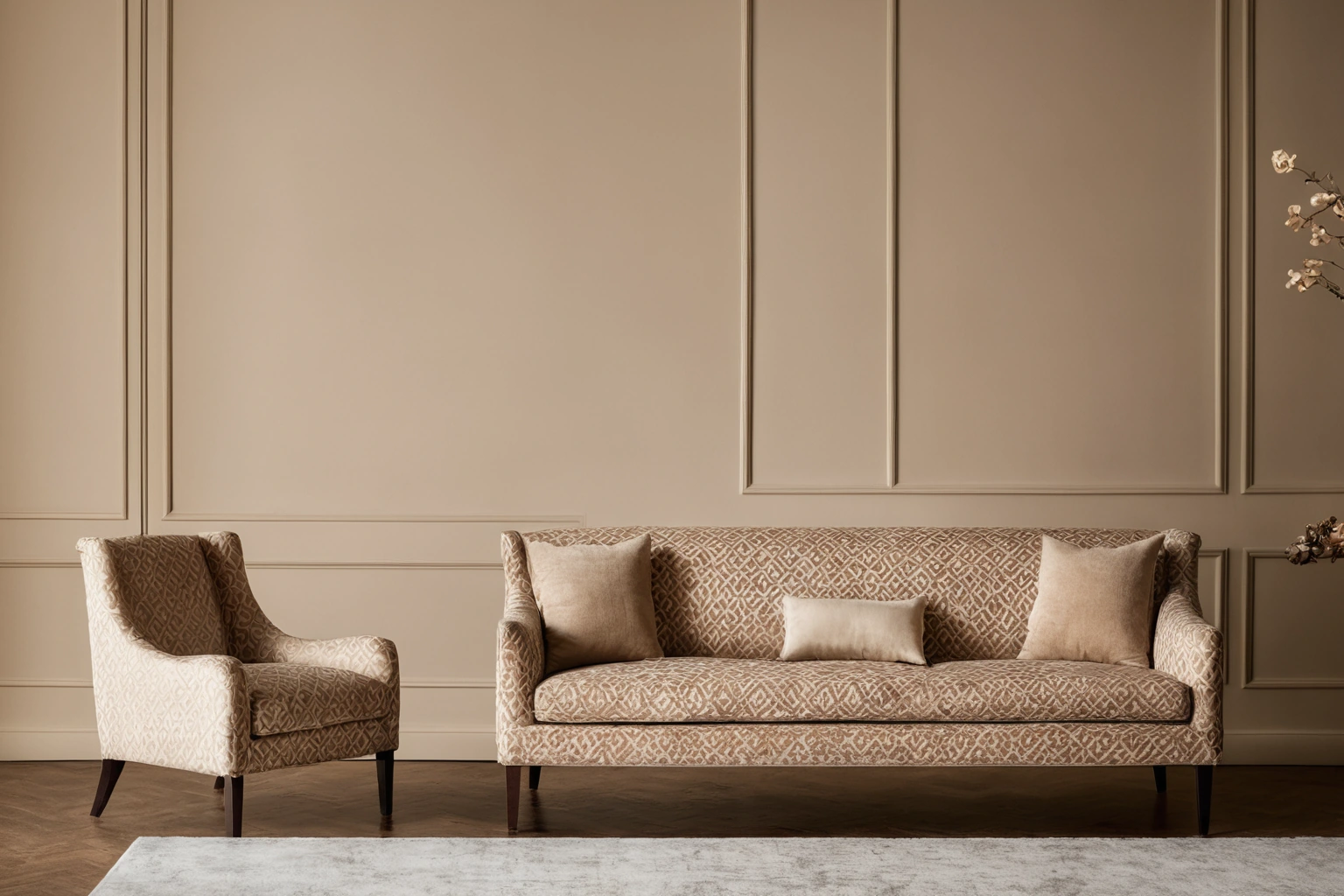
A large pattern can work on a small chair if a deliberate fragment is attractive and enough cloth exists to place it. The question is whether the selected fragment reads as intentional. A motif that is cut through at every edge may appear accidental; a strong centered section may give the chair character. Request a scaled placement drawing or an upholstery mock-up before dismissing the pattern by rule.
Historic textile objects illustrate that large motifs can be designed for particular visual fields. The Metropolitan Museum of Art’s description of a printed cotton velvet discusses how texture and light affect the reading of a floral design. Its museum object is not an upholstery specification for the chair in question, but it reinforces that motif, surface, and viewing angle work together.
Consider the neighboring materials. A small chair with a dramatic motif can sit against plain curtains and a restrained rug. A large sofa covered in the same dramatic motif may dominate the room. The fabric’s scale is therefore both a cutting issue and a palette issue. The actual room should be used to judge the balance.
How do seams and pile direction alter the pattern?
Seams can interrupt a repeated design, and a directional pile can alter its shade even when the motif is aligned. A velvet jacquard, for example, may require both pattern matching and pile orientation. The Association for Contract Textiles’ quality guidance treats pattern direction and pile direction as separate properties of a roll. The workroom should identify both before cutting.
Ask which seams are most visible from normal viewpoints. A perfect match at a hidden rear join may be less useful than a clean motif transition at the front of a chair. Match where it affects the design, then document accepted differences elsewhere. If the fabric has a stripe, even a small skew can become conspicuous across a long sofa front. Inspect the delivered roll against the approved sample.
Calculating yardage from furniture dimensions alone can underestimate a patterned job. Matching a repeat and centering a motif can require additional cloth. The workroom should calculate quantities from the actual repeat, usable width, direction, and cutting plan. A general percentage allowance should not be invented in the article or copied into a purchase order without that calculation.
What should be approved before fabric is cut?
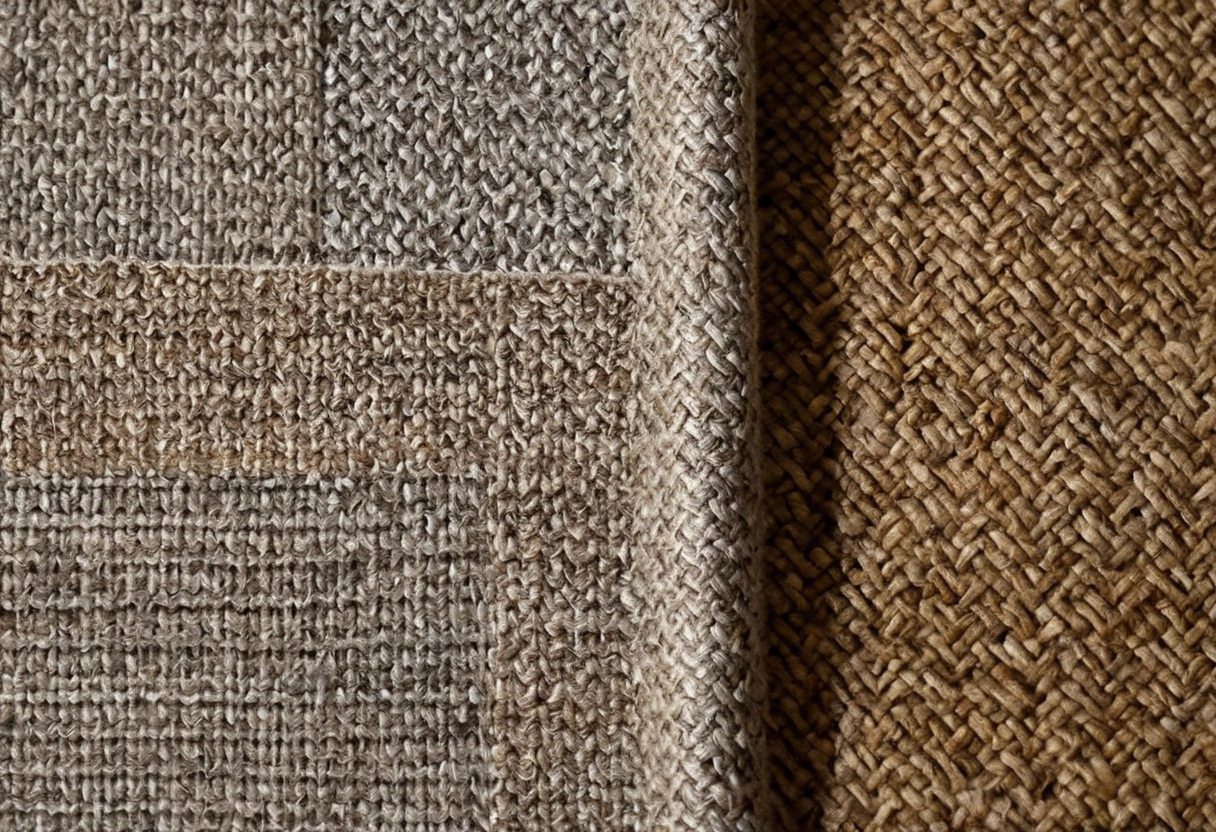
Approve the full-size sample, pattern repeat, direction, motif centerlines, visible seam matches, and any deliberate mismatches. Keep the fabric reference and lot with the drawing. If the furniture frame changes, the pattern plan must be checked again. A slightly wider arm can shift the motif at its front edge even when the sofa’s overall width changes little.
- Measure both vertical and horizontal repeats.
- Overlay the pattern on each visible furniture panel.
- Prioritize motif placement at the main viewpoints.
- Calculate yardage from the cutting plan and usable width.
- Compare delivered cloth with the approved master sample.
Patterned upholstery works when motif scale and furniture scale are resolved in the same drawing. A swatch begins the choice; the cutting plan completes it. The finished chair or sofa should look intentional from the room, not merely attractive in a close view of uncut fabric.
Fabrication can also change the rhythm of a pattern through cushion spacing. A design that repeats evenly across one continuous back will break into separate units if the sofa uses several loose back cushions. Mark the gaps on the elevation and decide whether each cushion should receive the same centered motif or whether the repeat should run continuously from one cushion to the next. Both approaches are possible, but they use cloth differently and produce different effects when cushions are moved.
Check the reverse of the finished cushions if they can be flipped. A one-sided matching plan may leave the alternate arrangement looking accidental. If the client expects reversible cushions, the workroom needs that information before cutting. The same applies to a chair that can be seen from behind in an open plan room; its back panel may deserve deliberate pattern placement, not leftover cloth.